Published : 2025-11-21
Deep within a depopulated area in west China's Xizang (previously known as "Tibet"), lies an extremely obscure and little-known salt lake marvel. Here, the lake water turns pink, and the lake also holds priceless mineral treasures.
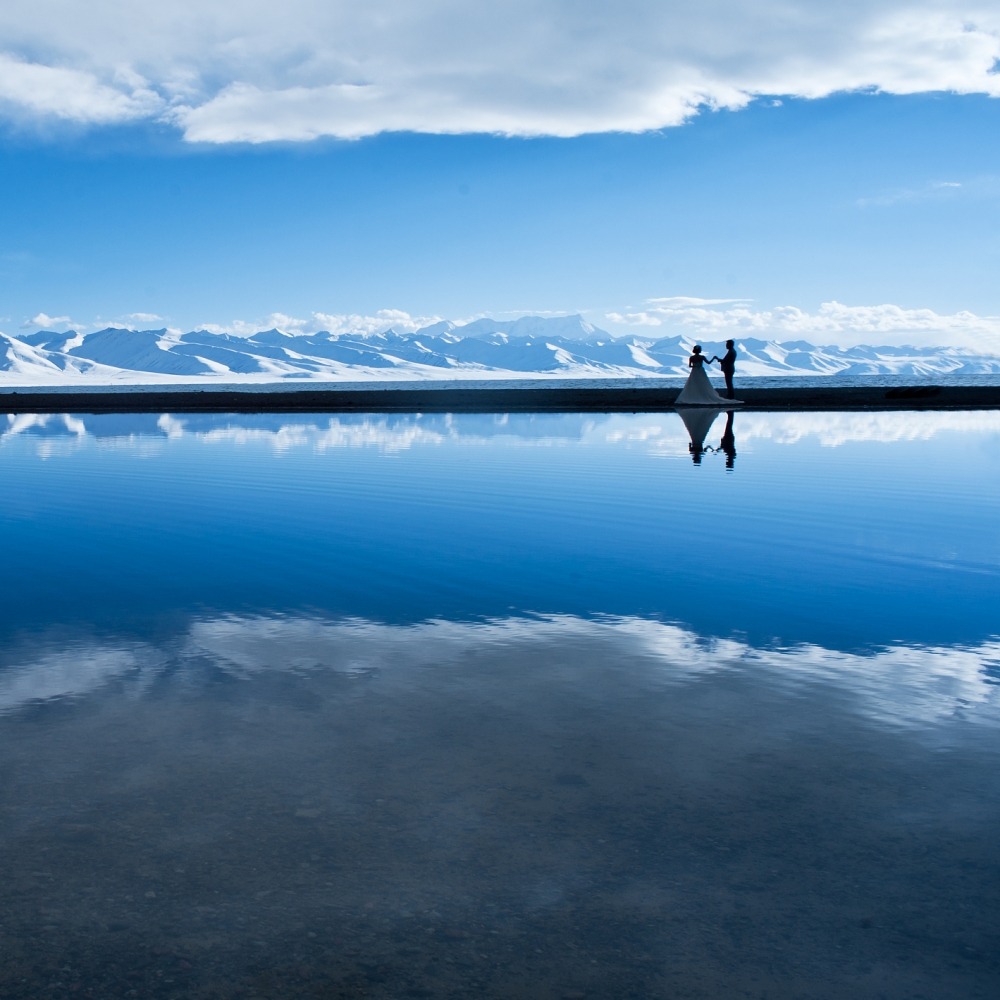
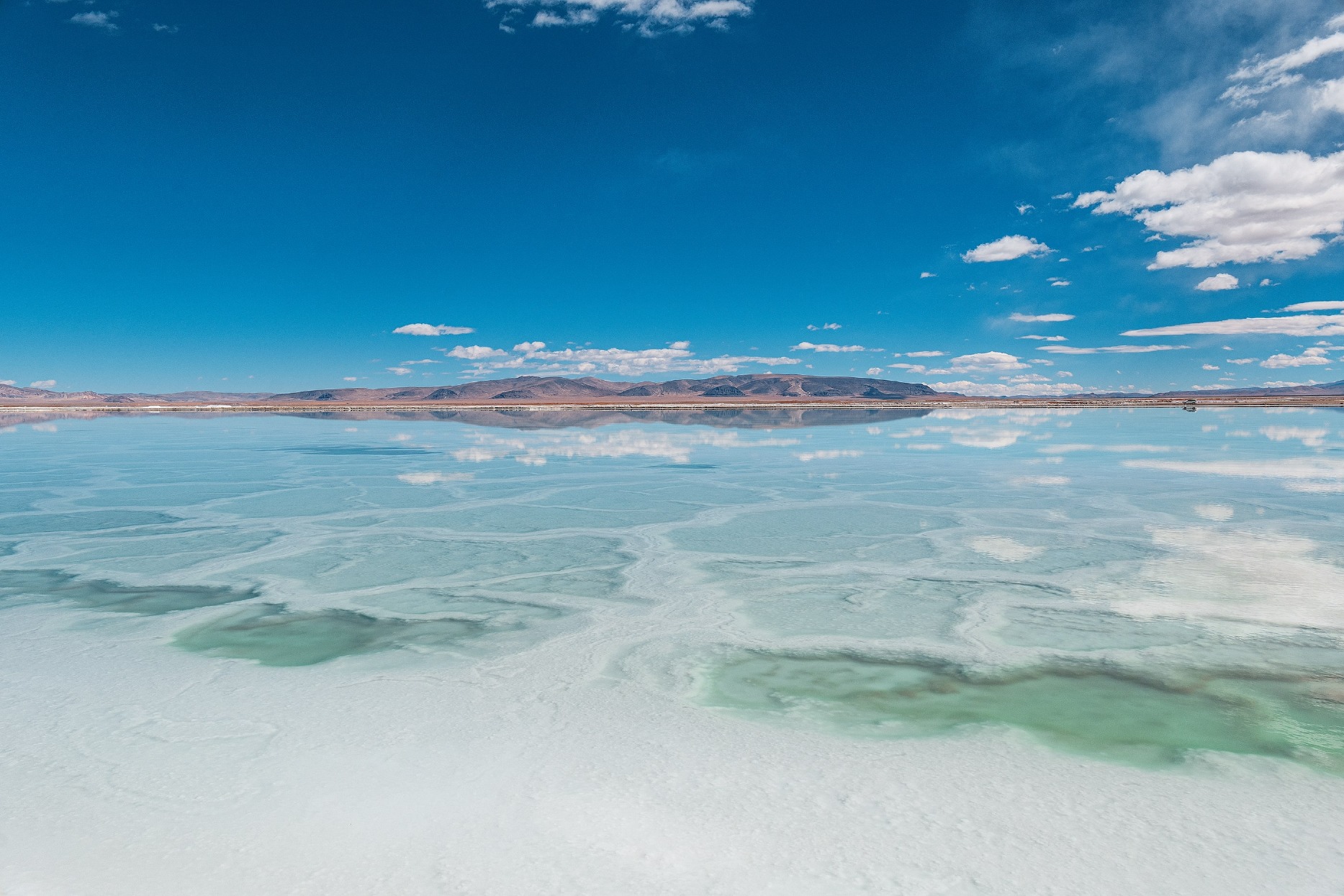
This is Zabuye Salt Lake, a secret realm known to a few as Xizang's "Mirror of the Sky". What is the story about this mysterious salt lake?
The colour-changing Zabuye Salt Lake
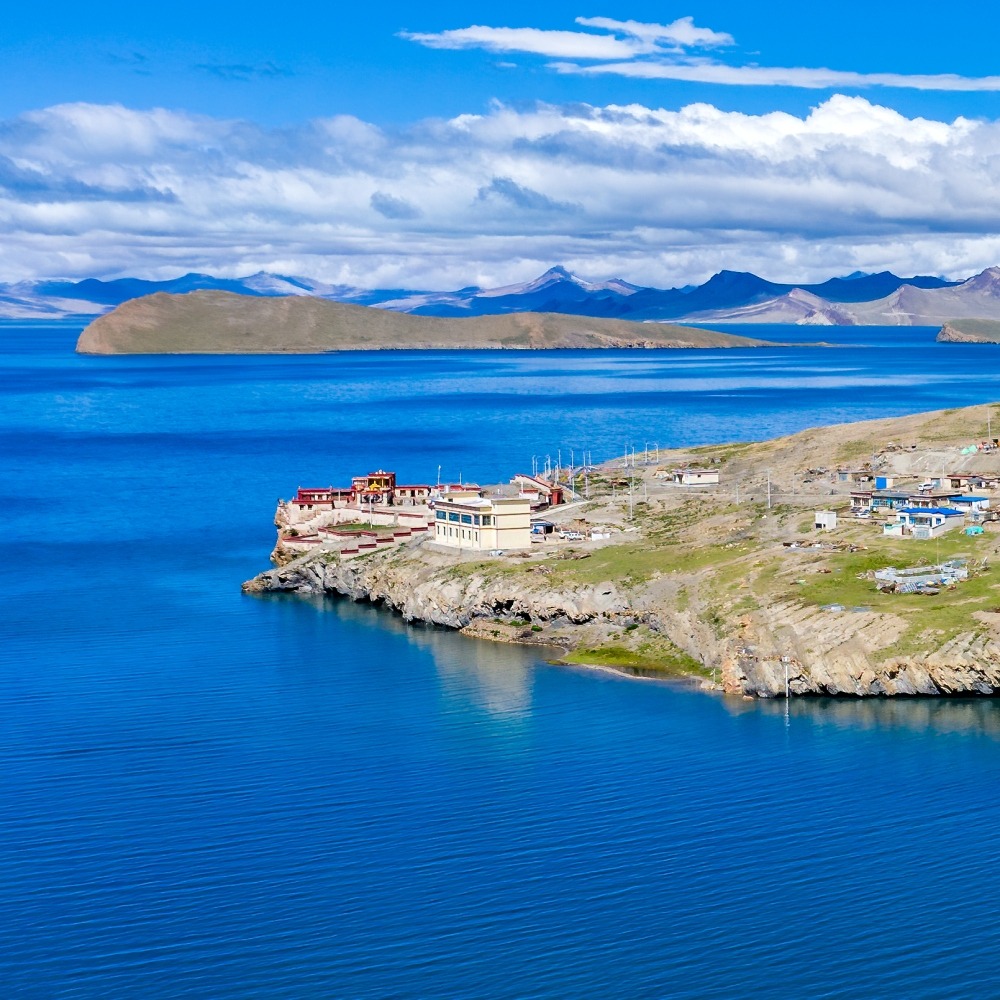
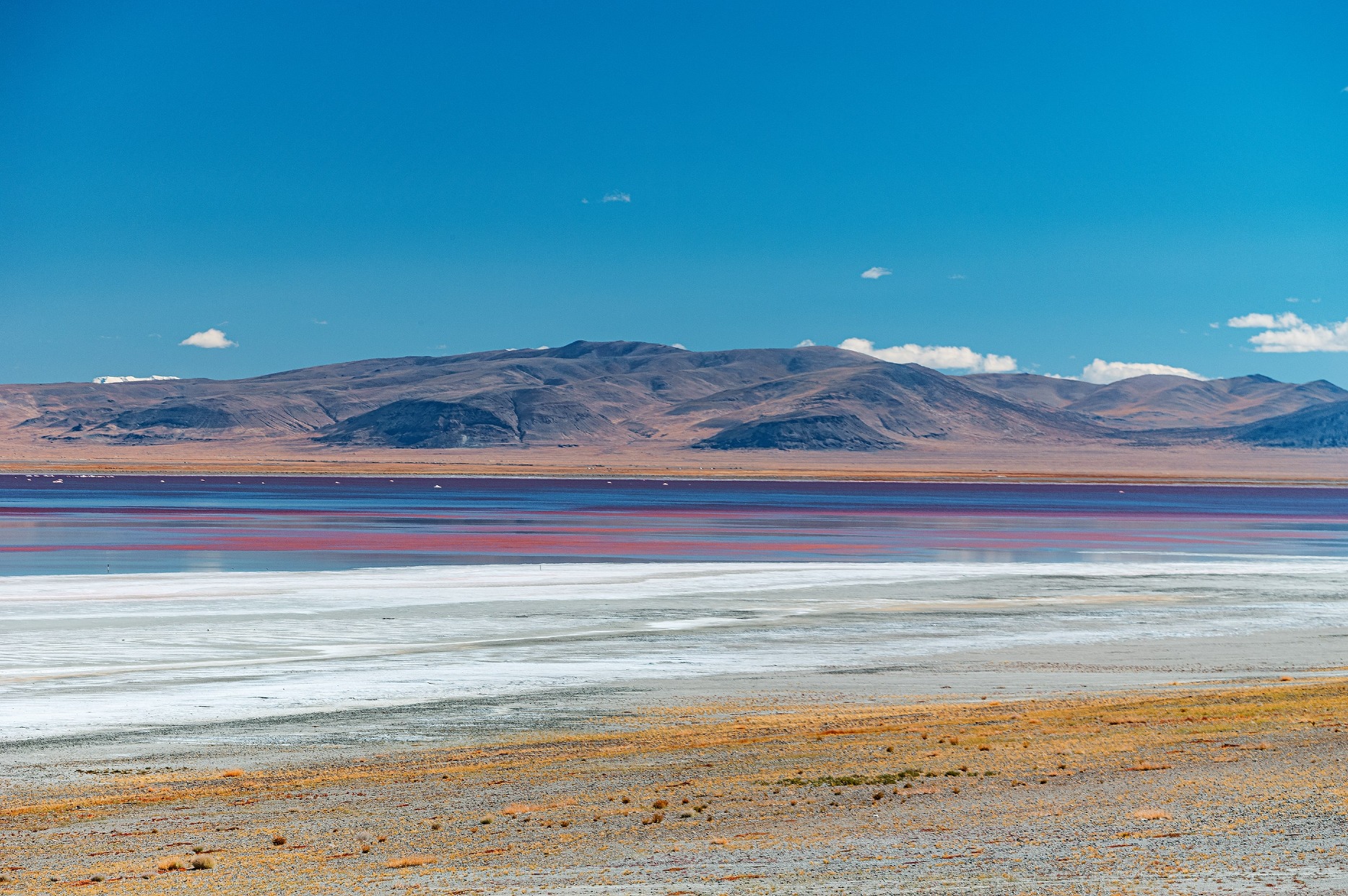
Zabuye Salt Lake (扎布耶茶卡), a salt lake quietly nestled in the Qiangtang Uninhabited Area (羌塘無人區) in Xizang, reaches an altitude of 4,429 metres and is divided into a south and a north lake.
The south lake covers an area of 243 square kilometres, with both solid and liquid states coexisting, while the north lake is a brine lake (a saltwater lake with a high salt concentration) of about 100 square kilometres.
To most tourists, Zabuye Salt Lake is a very unfamiliar name. However, its scenery leaves a deep impression on all who have visited this place.
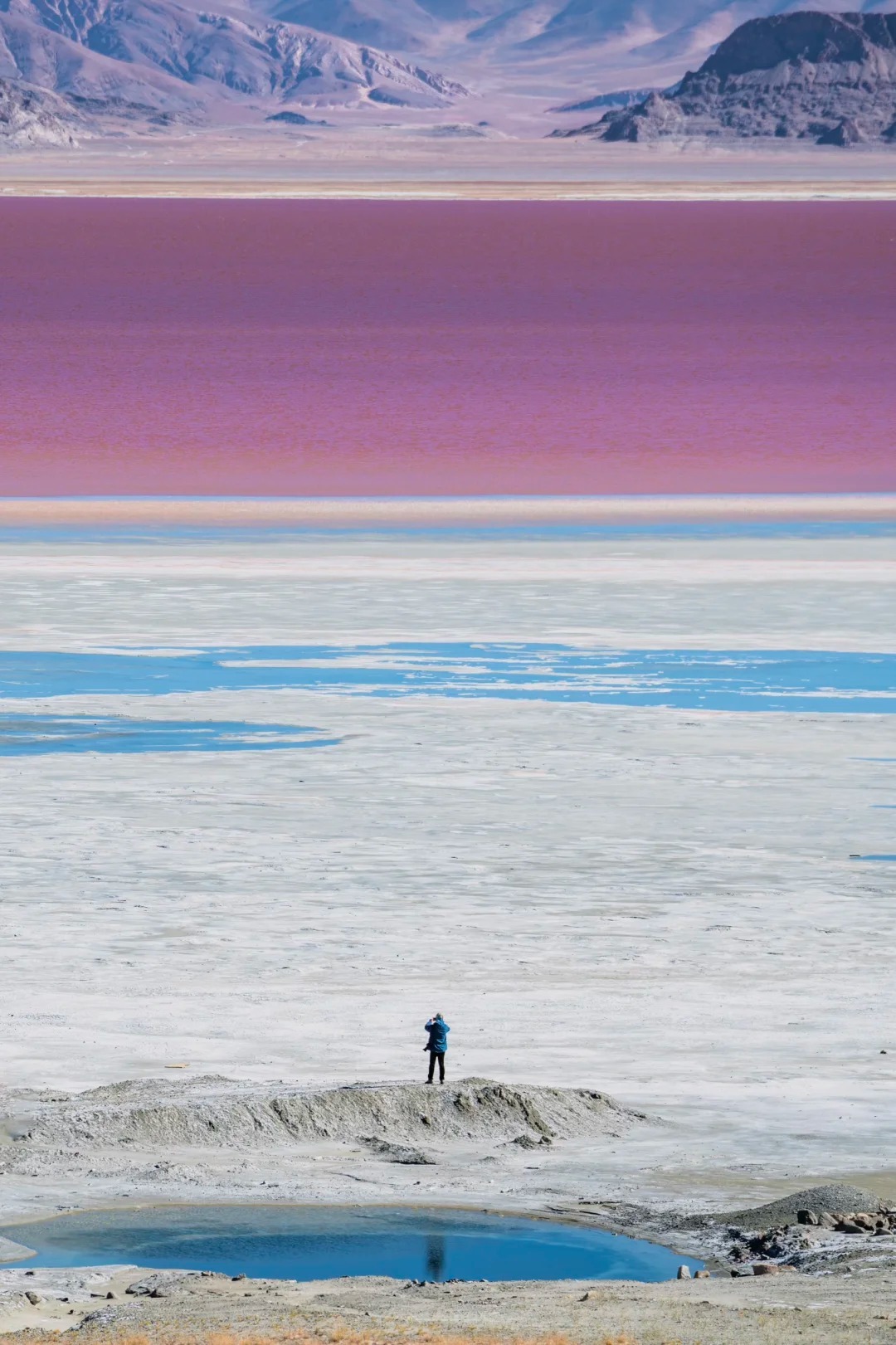
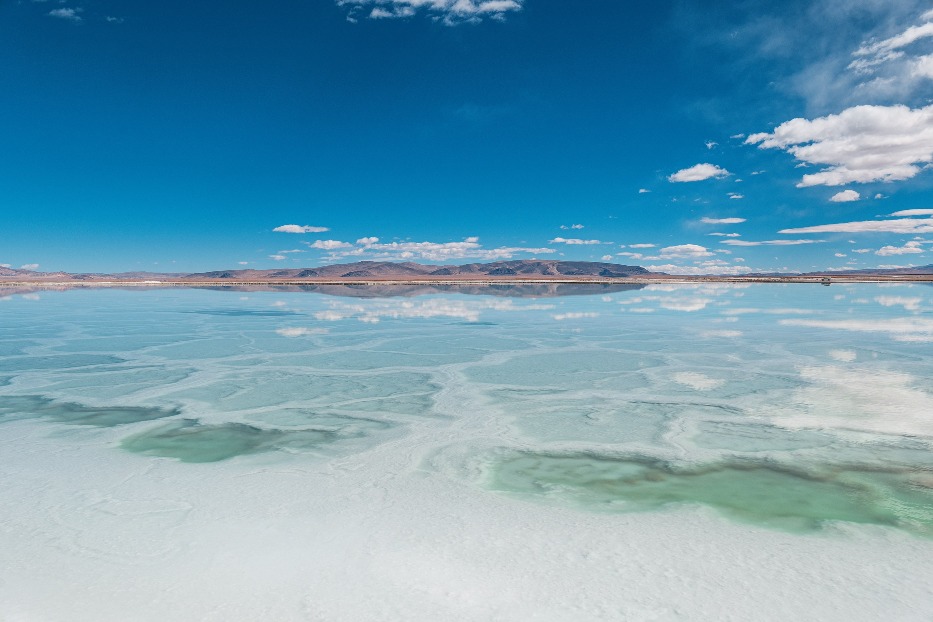
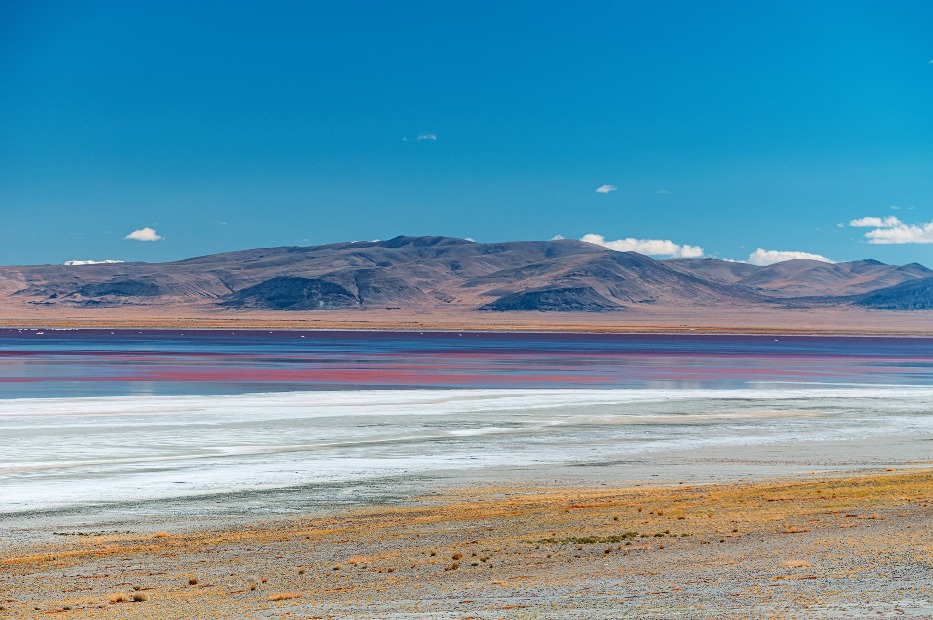
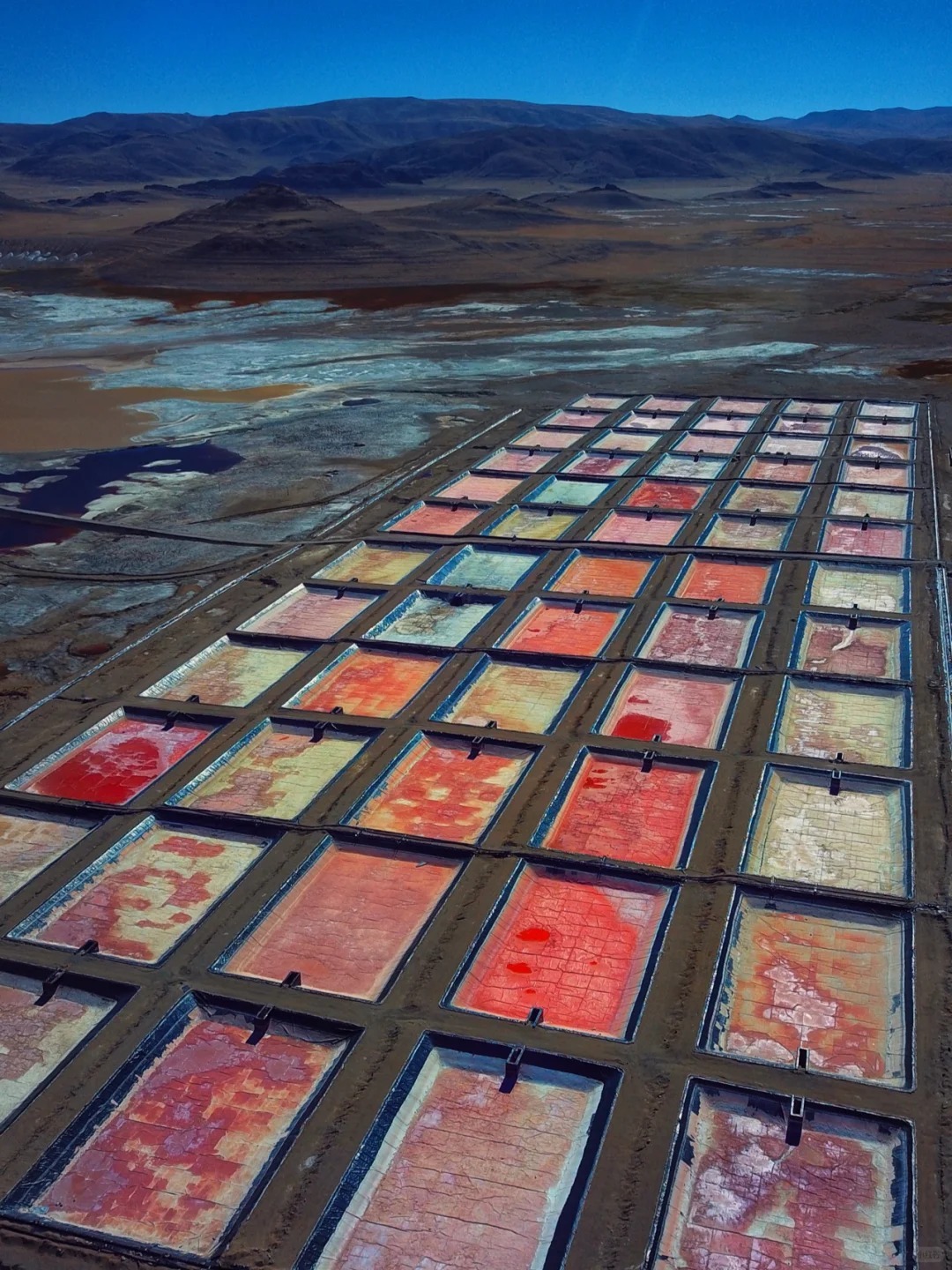
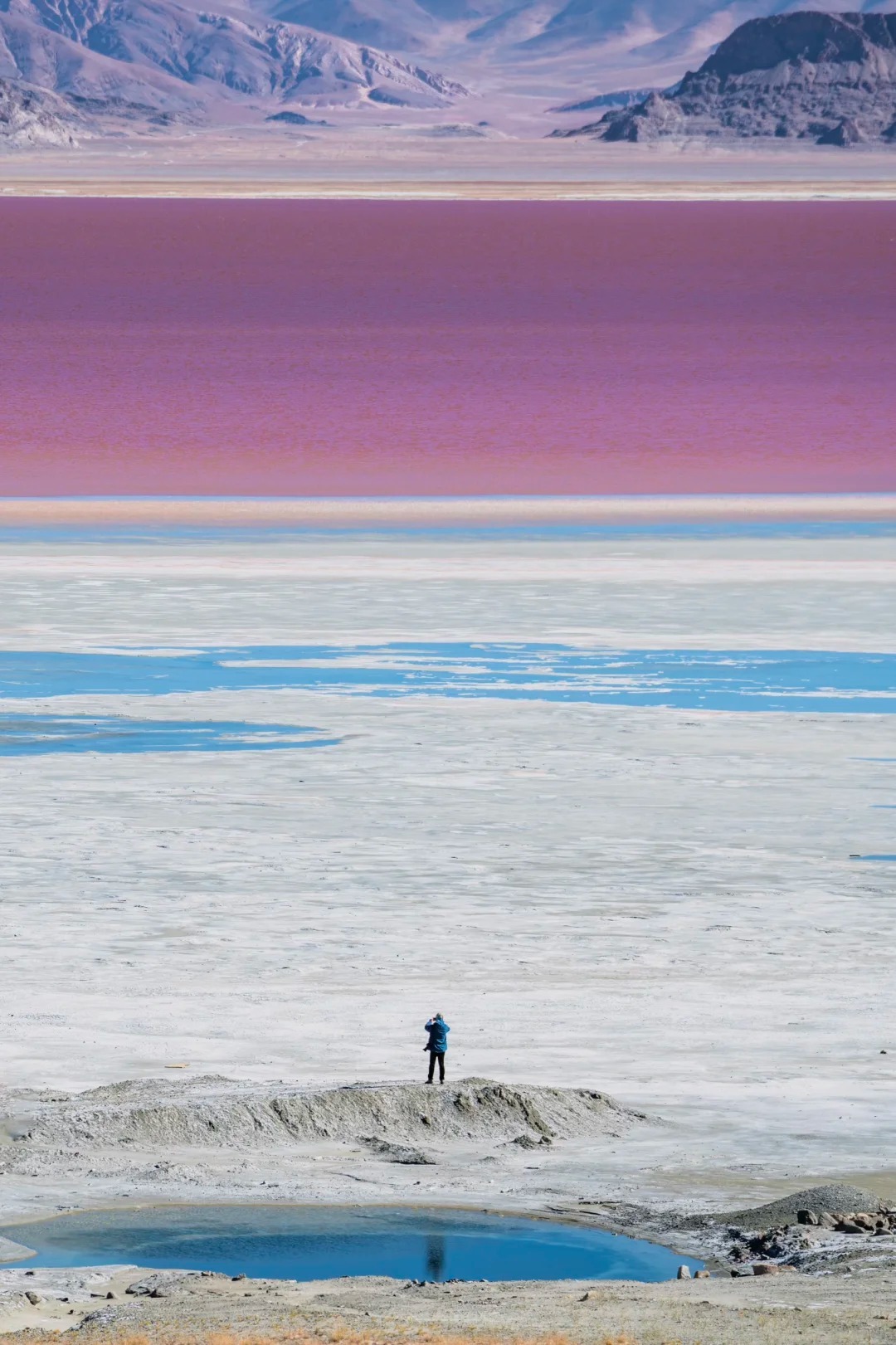
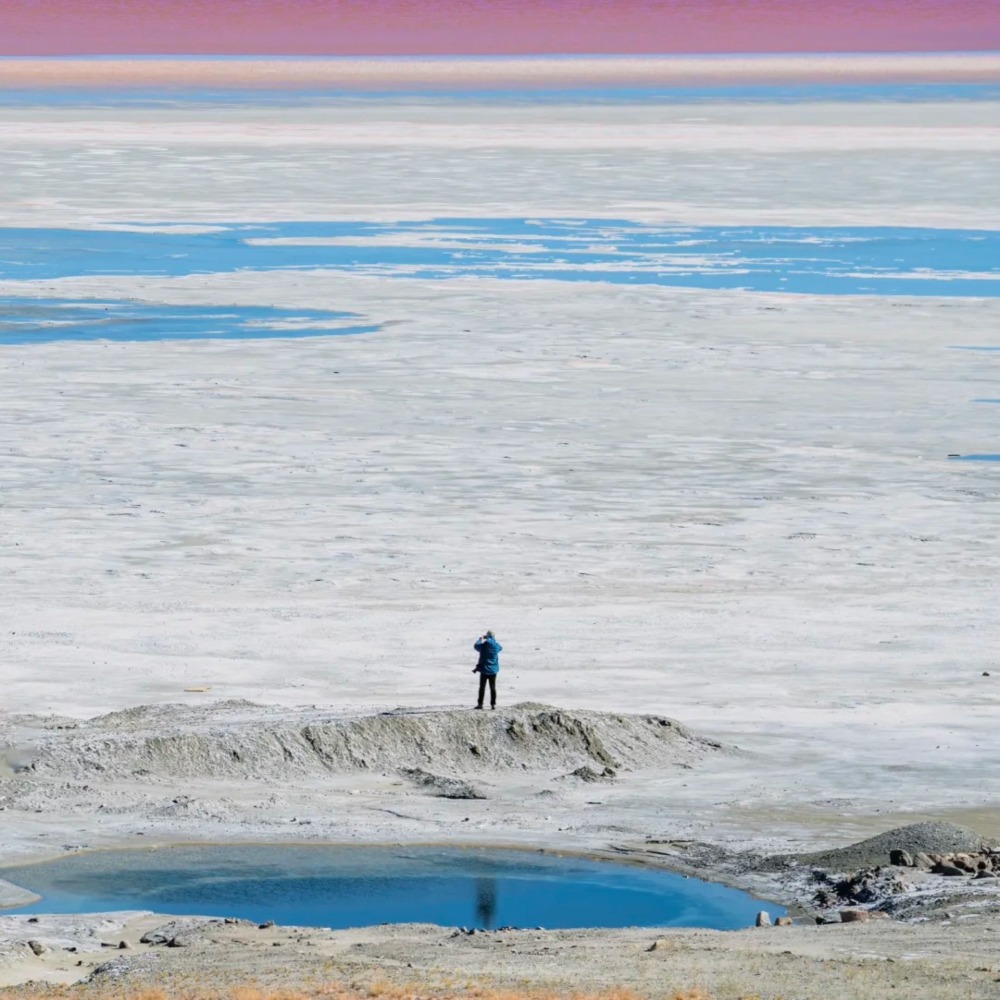
The most mysterious aspect of Zabuye Salt Lake lies in its unpredictable water colour. Most of the time, it appears light blue or dark blue, just like other high-altitude lakes, but under certain conditions, the water turns pink or even deep red.
This rare natural phenomenon originates from a unique microorganism in the lake—the brine insect, which is also known by a more familiar name, the brine shrimp.
These tiny creatures reproduce in large numbers under specific conditions, and their pigments give the entire lake a dreamlike pink coat. This natural wonder also attracted the production team of China's first polar adventure film, Seventy-Seven Days (《七十七天》), who chose this place as a key filming location.
However, to witness this marvel with your own eyes requires perfect timing, as specific conditions of temperature, light and microbial activity are all indispensable.
Read more: Why does the highest county of China relocate?
Zabuye Salt Lake: A source of raw materials for China's lithium batteries
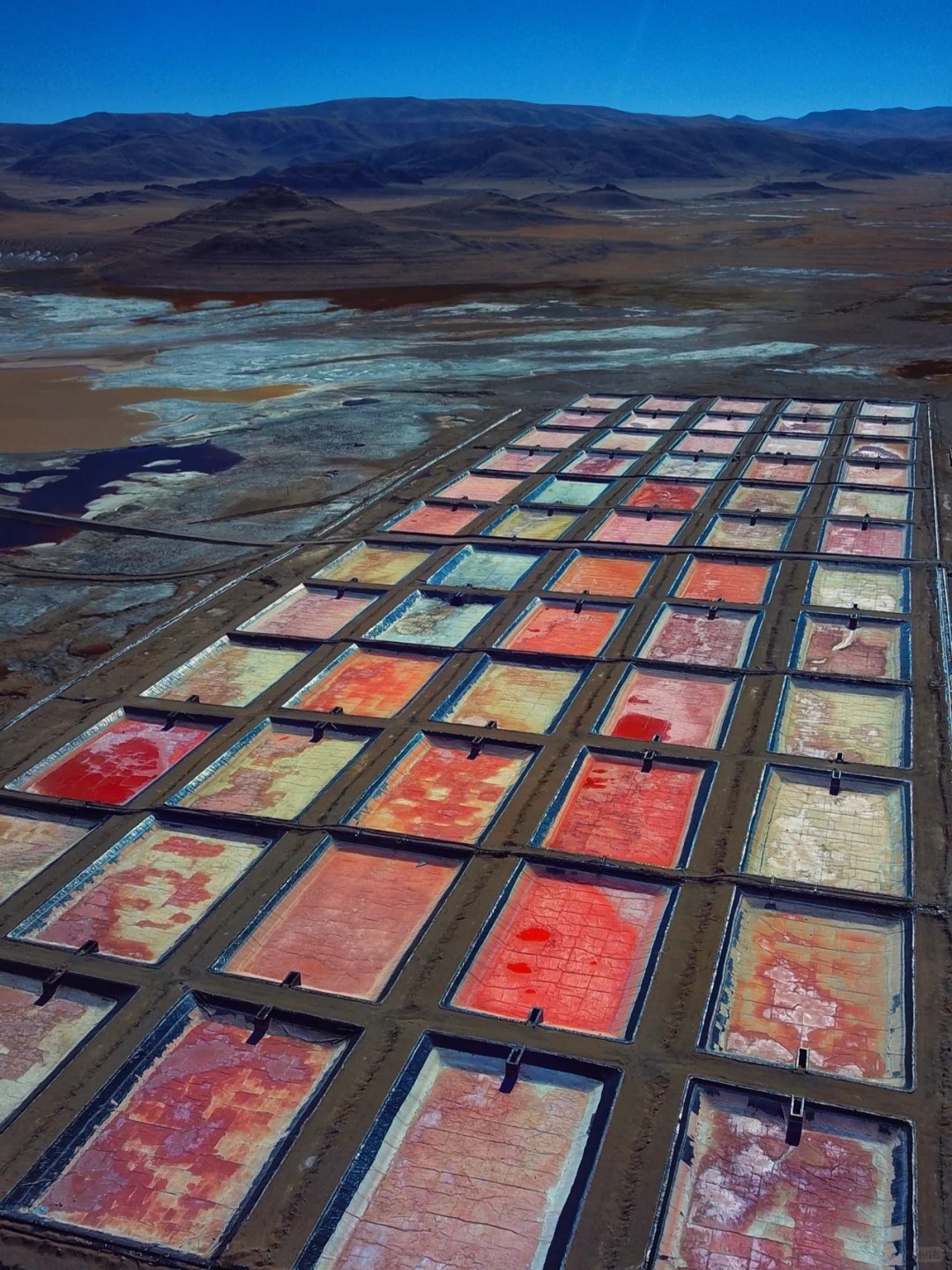
Beneath this pink water, there is in fact a hidden secret. Zabuye Salt Lake is not only one of the three largest lithium salt lakes in the world, but it also ranks first in Asia with lithium resource reserves of 1.84 million tonnes.
It all began in 1982, when geologist Zheng Mianping (鄭綿平) discovered natural primary lithium carbonate here, which was later named "Zabuyelite", also known as "white gold". This discovery instantly pushed this remote plateau salt lake onto the world stage.
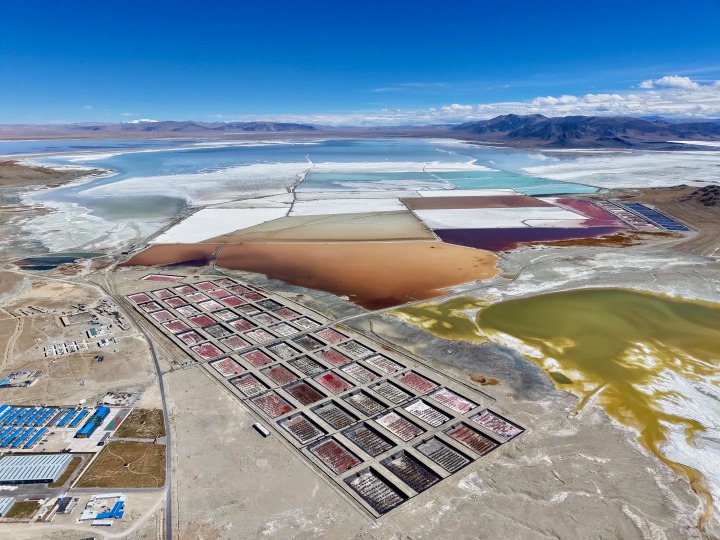
The lithium concentration in the brine of Zabuye Salt Lake ranks 2nd in the world. Its unique solid resource of natural lithium carbonate is unparalleled globally, and with the China's new energy vehicles industry's booming development, the value of this plateau salt lake is becoming increasingly prominent.
Its unique characteristic of "high-lithium with low-magnesium" allows the brine here to approach the saturation point of lithium carbonate, creating a natural advantage of lower extraction costs and higher refining efficiency.
Today, lithium products extracted from Zabuye Salt Lake are becoming one of the important cornerstones supporting the development of the new energy industry.
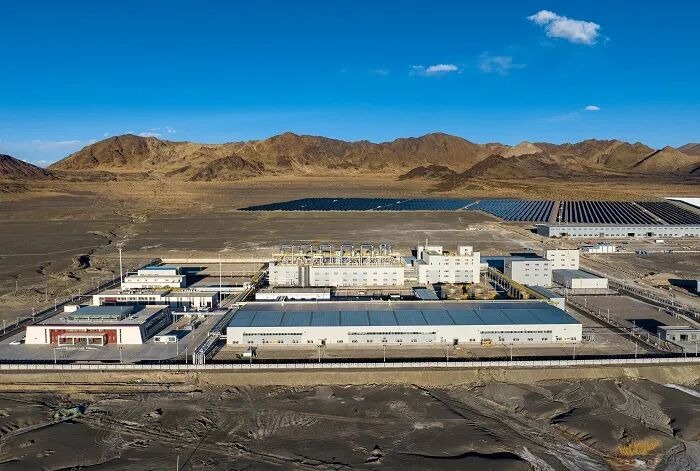
In addition to primary lithium carbonate, Zabuye Salt Lake also contains various rare elements such as potassium, boron, and caesium, making it a veritable natural treasure trove of resources.
Potash salts are the lifeblood of agricultural production; boron is indispensable in industrial production; and caesium plays a key role in high-tech fields such as satellite navigation.
With breakthroughs in innovative processes such as extraction technology and membrane separation technology, the recovery efficiency and product purity of these precious resources are now constantly improving.
It is also worth mentioning that, during the resource development process, particular emphasis has been placed on ecological protection at Zabuye Salt Lake.
Through the development of green extraction technologies, efforts have been made to strike a balance between economic growth and environmental conservation, allowing this plateau salt lake to radiate sustainable vitality in the new era.
Read more: "Dead Sea of China": Yuncheng Salt Lake